Death and Dementia: the ‘hidden’ perils of sleep apnea

Sleep that knits up the ravelled sleeve of care,
The death of each day’s life, sore labor’s bath,
Balm of hurt minds, great nature’s second course,
Chief nourisher in life’s feast.

(Macbeth, Act 2 Scene 2)

Recent studies of Obstructive Sleep Apnea (OSA), one of the world’s most common human medical conditions, should raise alarm bells among the millions of people diagnosed with the condition, and the many millions more in the world who have symptoms but are not diagnosed. Untreated, sleep apnea can kill, and it can cause dementia.

As a person with OSA myself, the biggest recent medical research breakthrough is a study, published in the medical journal, SLEEP Advances, October 22 of this year. that confirms OSA causes Alzheimer’s disease and other forms of dementia in adults aged 60 to 84.

Women with known or suspected sleep apnea were more likely than men to have symptoms or a diagnosis of dementia at every age level. The study uncovered that by examining survey and cognitive screening data from more than 18,500 adults to determine the potential effect of known or suspected obstructive sleep apnea on the risk for dementia.

For all adults aged 50 and older, having known obstructive sleep apnea or its symptoms – as people often do not know they have the problem – was associated with a higher chance of having signs or diagnosis of dementia in coming years.

I was first diagnosed with mild sleep apnea in 2007 after an overnight sleep test in Owen Sound. I was not recommended for a CPAP (continuous positive airway pressure) machine. But another sleep test about five years ago led to a diagnosis of severe sleep apnea, and a prescription for CPAP. That’s been a struggle to get used to, and way too many times I took risks by not using the machine.

The full face CPAP mask. Think lifesaver.

Earlier this year I purchased and began using a personal oximeter device to track blood-oxygen percentage level during sleep, with and without a CPAP machine. That small device has helped me understand the critical importance of blood-oxygen percentage levels, with the help of online information. I often find the Cleveland Clinic’s blood oxygen pages helpful.

Health Link BC has a clear and precise public explanation online of sleep apnea:

“Sleep apnea means that breathing stops for short periods during sleep. When you stop breathing or have reduced airflow into your lungs during sleep, you don’t sleep well, and you can be very tired during the day. The oxygen levels in your blood may go down, and carbon dioxide levels go up. It may lead to other problems, such as high blood pressure and heart disease.

“Sleep apnea can range from mild to severe, based on how often breathing stops during sleep. For adults, breathing may stop as few as 5 times an hour (mild apnea) to 30 or more times an hour (severe apnea).

“Obstructive sleep apnea is the most common type. This most often occurs because your airways are blocked or partly blocked. Central sleep apnea is less common. It happens when the brain has trouble controlling breathing. Some people have both types. That’s called complex sleep apnea.”

It’s important to add here that qualified medical providers should be consulted for expert treatment and advice.

There is a level at which the lack of oxygen can damage the brain and other organs.

I will say, it was a slap-in-the-face wake-up call one morning when the oximeter showed my blood-oxygen level had fallen to the low 80s percentages overnight when I had stopped using the CPAP machine because of the discomfort. I vowed then to use it religiously. I was not surprised when a few days later I coincidentally saw news about the study that confirmed sleep apnea causes dementia.

In 2023, in the U.S. the Count on Sleep partnership, a collaboration of several professional and patient-focused organizations, was set up to provide “an in-depth analysis of the symptoms, risk factors, prevalence, and burden” of OSA. The National Indicator Report found it affects nearly 30 million Americans, but estimated 23.5 million cases were undiagnosed. In an online public release, The American Academy of Sleep Medicine said “Untreated sleep apnea can lead to serious health consequences including disease, stroke, diabetes, and depression. (And now dementia can be added to that list). The Academy added the cost of undiagnosed OSA in the U.S. amounts to $149.6 billion annually “due to greater health care utilization, increased motor vehicle and workplace accidents, and reduced productivity.

“There are many barriers to sleep apnea diagnosis and treatment including insufficient awareness among the public and health care professionals. Health care professionals should recognize and address the signs of sleep apnea, and people who think they may have undiagnosed sleep apnea should talk to their doctor about their sleep,” the Academy said.

I thank my lucky stars I am a Canadian and that a modest income did not stop me from seeking medical help. The cost of overnight sleep tests, family and specialist physician consultation, and ongoing treatment equipment likely accounts for many of the six million people in the U.S. with undiagnosed sleep apnea. Yet even in Canada the available data indicates most people with the condition remain undiagnosed.

Canada’s Public Health Agency has not updated its information since 2013. A 2009 document, ‘What is the Impact of Sleep Apnea on Canadians,’ is still being used online. It says, “An estimated 858,900 (3%) Canadian adults 18 years and older reported being told by a health professional that they have sleep apnea. In addition to those who reported being diagnosed with sleep apnea, over 1 in 4 (26%) adults reported symptoms and risk factors that are associated with a high risk of having or developing (OSA).”

Sleep apnea has been called a “hidden health crisis.” That was certainly true when in 2019 a team of experts set out to study the worldwide sleep apnea problem. It found only 16 countries had “reliable prevalence data.” Using that data, and comparing countries with similar population and locations, they estimated 936 million adults aged 30 to 69 had mild to severe OSA, and 425 million with moderate to severe. The number of affected individuals was highest in China, followed by the USA, Brazil, and India. The study was financed by Resmed, one of the world’s largest makers of CPAP machines and other sleep apnea treatment products. It was published in The Lancet medical journal.

Do people who have sleep apnea die in their sleep because they’re breathing does not start again? It is said by many online sources to be uncommon. But the well-studied fact that people with undiagnosed sleep apnea especially will develop many other life-threatening conditions, like heart disease is well documented and studied. As the American Lung Association says, “There are serious potential consequences to undiagnosed or untreated sleep apnea. Besides making sleep difficult, it can lead to high blood pressure, heart disease, stroke, diabetes, dementia and result in early death.”

As far back as 2008 studies have shown people with sleep apnea and other sleep-disordered breathing problems were much more likely to die of ‘all causes,’ including cardiovascular mortality risks, especially if their breathing problems were undiagnosed.

My advice as someone with sleep apnea, if you are diagnosed, don’t give up on the CPAP machine: your brain, heart and life depend on it. And if you’re not diagnosed, but have symptoms, don’t delay: seek medical attention as soon as possible.
The sleep apnea challenge: one man’s experience

As I began to look at the on-line news in the very ‘wee hours’ of this morning, The headline of a CBC Radio Canada article soon caught by eye: “Millions of people in Canada have sleep apnea. The problem is not all of them realize it.”

Indeed, “not all of them” was putting it mildly, when that was followed by this sub-heading: “Roughly 8 out (of) 10 with sleep apnea are undiagnosed.”

The article cites a 2014 study by Canadian medical experts. They cited information gathered by Statistics Canada indicating an estimated 5.4 Million Canadian adults had been diagnosed with sleep apnea or were at high risk of experiencing obstructive sleep apnea.

Sleep apnea is a condition in which breathing stops and restarts often many times during sleep. When that happens the heart has to work harder to keep pumping vital oxygen-rich blood to the body. Over time that can lead to heart problems. Meanwhile, there’s always the risk a person with sleep apneal won’t start breathing again.

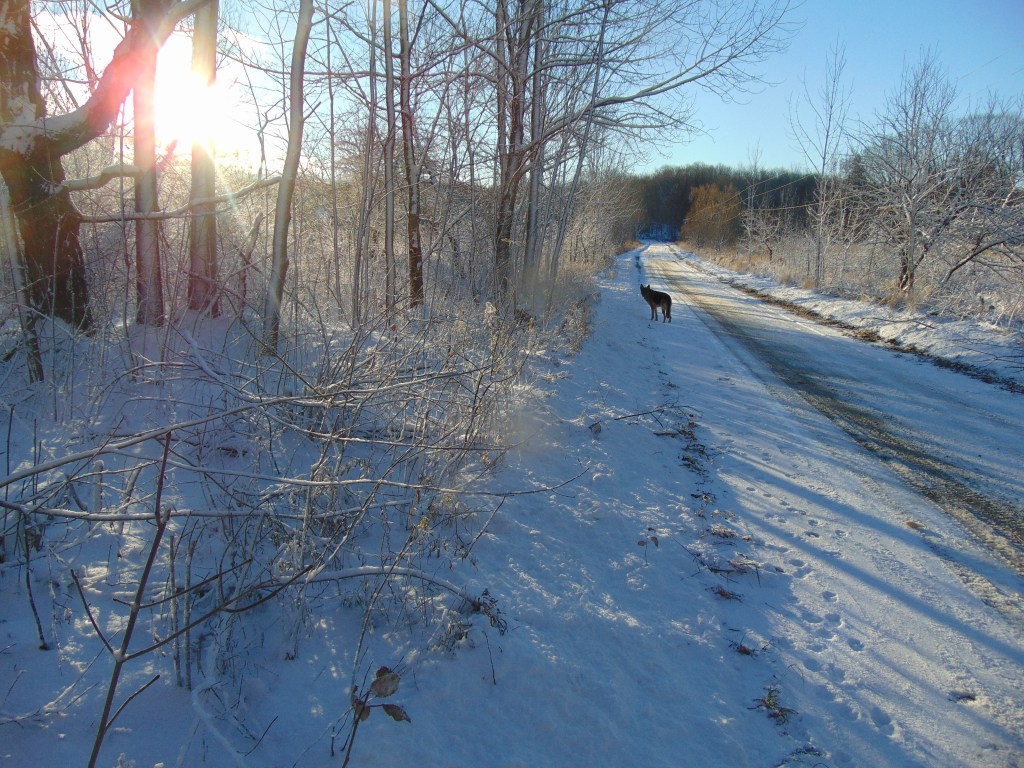
Sunrise on Cathedral Drive is always inspiring. That’s my Shepherd, Buddy. Just because.

So, if someone says, or perhaps complains, you snore and gasp in your sleep, you may want to consider seeking medical advice; or also, if you experience other symptoms of poor quality, or lack of sleep, like excessive tiredness and lack of energy during the day. The latter has become the story of my life in the past year as I struggle, so far unsuccessfully, to master the art of using what the CBC article calls the “first-line, gold-standard” treatment for sleep apnea, the CPAP machine

More about that in a moment; but first, the basics. The U.S. National Library of Medicine has one of the best, brief descriptions of the two types of sleep apnea, obstructive sleep apnea (OSA), and central sleep apnea. OSA “happens when your upper airway becomes blocked many times while you sleep, reducing or completely stopping airflow. This is the most common type of sleep apnea. Anything that could narrow your airway such as obesity, large tonsils, or changes in your hormone levels can increase your risk for obstructive sleep apnea. Central sleep apnea happens when your brain does not send the signals needed to breathe. Health conditions that affect how your brain controls your airway and chest muscles can cause central sleep apnea.”

I get the impression central sleep apnea is a relatively new area of study, but to be honest I don’t know, and maybe my memory has failed me on this point; but I don’t recall ever being told which type of sleep apnea I have, despite having had three overnight sleep lab tests, all of them in Owen Sound. The last one was mid-October, 2023. So far there are no results, and no telling how long I will wait to hear from a specialist to discuss them. I waited a year after my second overnight test about five years ago. I take that to be a measure of the level of demand. When I had my first test, the technician told me I woke up briefly 40 times because I had stopped breathing, but I had no memory of that happening. Fortunately, my brain took charge and pushed the figurative ‘restart’ button. And that was called “mild, to moderate” sleep apnea.

After the second sleep test, I was prescribed to go on a CPAP (continuous positive airway pressure) machine, after a trial run of a week when it seemed to work for me. With a constant level of measured, pressurized air going from the machine to your airway, the system is designed to take keep you breathing if you stop. And you will, that is a given with sleep apnea.

But, despite the encouraging start, there was a problem, though the machine itself was working properly when tested. I tried different remedies, including going from a nasal to a full mask (nose and mouth) and still the problem continued: waking up after an hour or two with a very dry mouth and throat.

Turns out this problem, getting used to the CPAP machine, is not unusual: Forty percent or more of people who start, give up on it; but that should not be an option.

I confess I gave up for a while, but, realizing the risk I was taking, tried again, and again. And I’m still trying, as my sleep quality has continued to worsen. Recently, I bought an oximeter device, as a kind of ‘back up’ just in case. Made to fit like a ring on suitable finger, the device keeps track of blood-oxygen level and heart pulse. One of the risks of sleep apnea is that the heart has to work harder to keep pumping oxygenated blood when breathing stops. If the blood-oxygen level goes below a set percentage – I’ve set mine at 92 percent – the device has a vibration-alarm that is supposed to ‘gently’ alert you to restart breathing, but not necessarily wake you up. I’ve got the alarm set a ‘very strong’ but still it doesn’t consciously wake me up. Fair to say, I think, it’s not a good idea for the hard of hearing. So, time to get hearing aids after all, I guess, ASAP.

The ring-device comes with a smart phone or computer app which, when connected to the device shows the ups and downs of your blood-oxygen and heart pulse. That has been interesting and eye-opening, especially when the blood-oxygen level has gone below 90, before recovering, which has happened a few times. That’s troubling, but better to know than not.

To summarize, my sleep apnea has recently become life-changing: tired during the day, while trying to catch up by napping one or more times; and worst of all, lack of energy, having to push myself to get doing what came so easily even up to a year ago.

That’s not the way I want to live; but I am determined to find a way to overcome this sleep apnea challenge. And when that happens, I’ll be sure to let you know.

Acrylamide and Food: a shocking revelation

Not that long ago in a ‘What’s on your mind’ Facebook post I recalled how as a boy many years ago in Toronto I happily walked several blocks along Queen Street West every Friday evening to get classic, always delicious, take-out fish and chips for our family dinner. I also remembered the best French fries ever were to be found at the nearby Sunnyside amusement park, now long gone to make way for the Gardiner Expressway.

Since then, it’s fair to say I’ve consumed a lot of restaurant fries over the years with burgers, toasted, three-decker, club sandwiches, as well as home-fried potatoes, in restaurant and home.

Feel free to check that box yourself, figuratively speaking, if the same holds true.

And then there’s the long-standing pleasure in more recent years, of baking my own bread – lately, a light rye specialty – and pizza crust, squash pies, and experimental, ‘necessity’ (Whatever ingredients are handy) muffins, so long as maple syrup is the key ingredient.

Have I ever left the bread in the oven too long, so the crust is thick and dark, and enjoyed it anyway with homemade soup? Yep, been there, done that.

So, to say the least, I was shocked to discover recently I may have been putting my health seriously at risk all that time by eating a lot of fried (deep-fried especially) and oven-baked food like bread and roast potatoes; and many other things store-bought, like potato chips, crackers and cookies. The list, as it turns out now, is very long.

It’s about acrylamide, also called, acrylic amide, an organic compound widely used, and government regulated, in industry for a wide variety of products and purposes, including water treatment.

However, it has only been since 2002 when, first in Sweden, concerns were raised about acrylamide’s presence in food processed or cooked at temperatures in excess of 120 degrees Celsius (248 Fahrenheit).

Since then, public health agencies in the European Union, the U.S. and Canada have been in the forefront of efforts to learn more about the risk to human health. The U.N and the World Health Organization are also involved. Studies involving mice and rats being given high levels of acrylamide, have shown it causes cancerous tumors. That has led to it being officially described a “probable” cause of cancer for humans; but more human-based studies are needed to be certain, the various health agencies stress

Meanwhile, in an abundance of caution, they have offered advice, suggesting people stop eating deep-fried potatoes, turn down the temperature where possible and not bake or toast bread beyond ‘golden brown,’ instead of dark brown; and definitely don’t eat burnt baking products, from store or home. Potato chips are among the foods with highest levels of acrylamide, and, shockingly, many baby foods listed in Health Canada’s monitoring.

A fresh batch of ‘golden’ buns, temp. 375 F instead of 400

Even coffee is suspect, because of the roasting of coffee beans: light or medium is better than dark, or give coffee up entirely. Oh, no, not my morning coffee! That’s a tough one.

Health Canada’s summary, Acrylamide and Food, is one of the best and most readable documents on the issue I came across online. The same agency’s Revised Exposure Assessment of Acrylamide in Food’ and, the long list (Appendix 1) of branded, food products gathered and tested for acrylamide levels is important and revealing for people to know. (If there are problems with the links, google ‘Health Canada Acrylamide and Food,’ and ‘Health Canada, Revised Exposure Assessment of Acrylamide in Food.’) My only criticism of the latter is there needs to be more explanation of the PPB numbers, and symbols and how they pertain to the daily, body-weight impact of acrylamide.

The other comment I have is to what extent this important information about food and public health has reached, well, the public. I follow the daily news closely, I thought, and I’m sure there are Canadians and others around the world who are aware of the concerns about acrylamide in food; but I only found about it accidentally, while researching potatoes for other reasons, and the article I was reading happened to mention it.

There’s lots of troubling news ongoing that gets covered like a blanket: the political situation in the U.S., for one, and the war in Ukraine; but surely the possibility so many of the foods we – billions of us – routinely eat or drink every day may contain a compound that causes cancer, is as important as anything.

Finally, there appears to have been a relative lack of updated information in recent years since the initial flurry after 2002. For example, Canada Health’s Revised Exposure Assessment dates from 2012. Many of its related articles on the topic are already archived. Hopefully, that doesn’t reflect a lack of a sense of urgency.

Sometimes I wonder about the toxicity of the world we live in, the food we eat, the way it’s grown and processed, and what strikes me – yes, anecdotally – as the cancerous result when so many people I know, or know of, are getting sick.

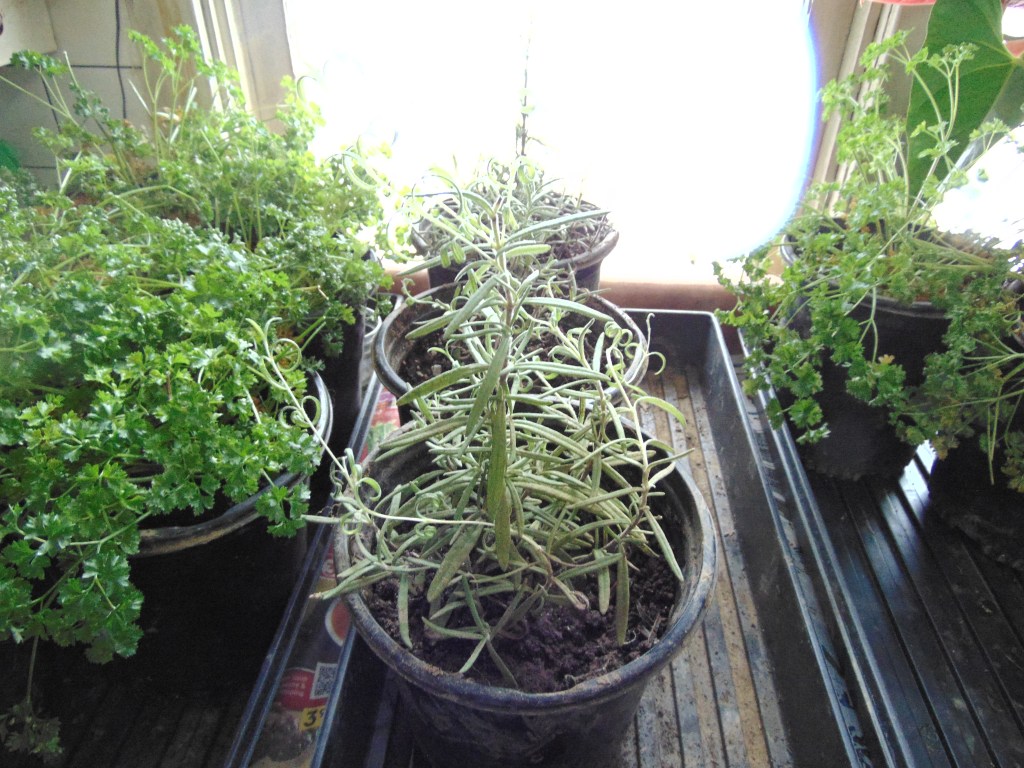
The Herb Rosemary added to your bread dough will lower the level of acrylamide substantially’

A winter blessing: not old after all

DSC00071

Though it’s late in coming, there’s nothing like the onset of something that resembles a good, old-fashioned Canada winter to test the myths and realities of growing old.

Let’s just say I’ve reached a certain age, well beyond the date when I officially became a ‘senior,’ and became eligible for what’s still called here in Canada, “Old Age Security.”

It’s not that I mind the money. I’m far from being a rich man, financially, anyway. But there’s something fundamentally wrong with sticking the “old age” label on someone at 65, or older, or at all, when they’re not old, not really.

When I was 65, I was still a young man. I could still keep up, and more, with guys half my age. I was still going strong at 70, and even, well, older than that. It’s only been in the last year that I’ve finally had to face up to slowing down to the extent that it may, just may, be time to say, yeah, okay, “I guess I’m old.”

December and January were unusually easy months, as Canadian winters go here on the peninsula between Lake Huron and Georgian Bay. What happened to those lake-effect, ‘zero visibility,’ early-winter snow squalls? Well, it’s early February and they’re happening now, for the past couple of days, and forecast to keep happening into next week.

Just now, I look out my window and it’s coming down at a rate that could see another 10 to 15 centimeters, or more tonight.

And that means, again tomorrow morning it won’t be time to sit back and think about growing old: it will be time, like this morning, to rise to the occasion, fire up the tractor and the snowblower, clear my long, country driveway; then climb up on that too-old, home-built garage roof and finish clearing the snow off it so it won’t collapse under the weight. And then there’s that other, low-sloped roof I’m not all that secure about and would rather not take a chance and let the snow pile up. Better safe than sorry.

Actually, it’s more than safety; it’s survival. So many big and little things in secluded, rural living can turn into a big, survival problem if you don’t give them their due: a loose bolt on the snowblower tightened, chain and auger mechanisms greased; fresh gas for the generator in case of a power-outage; diesel fuel in reserve, a spare key for the tractor, and careful usage. They’re family, after all, Mr. Massey and now Mr. Massey Too.

I count it a blessing that winter and its challenges have arrived, and I am still up to meeting them.

Still not ‘old,’ not really.

DSC00070

And now for some good news

DSC00026

Far be it from me to traffic in dangerously unrealistic comments and other false hopes about the current Coronavirus (Covid-19) crisis. But for what it’s worth, regarding the lifting of essential spirits, I humbly say the following:

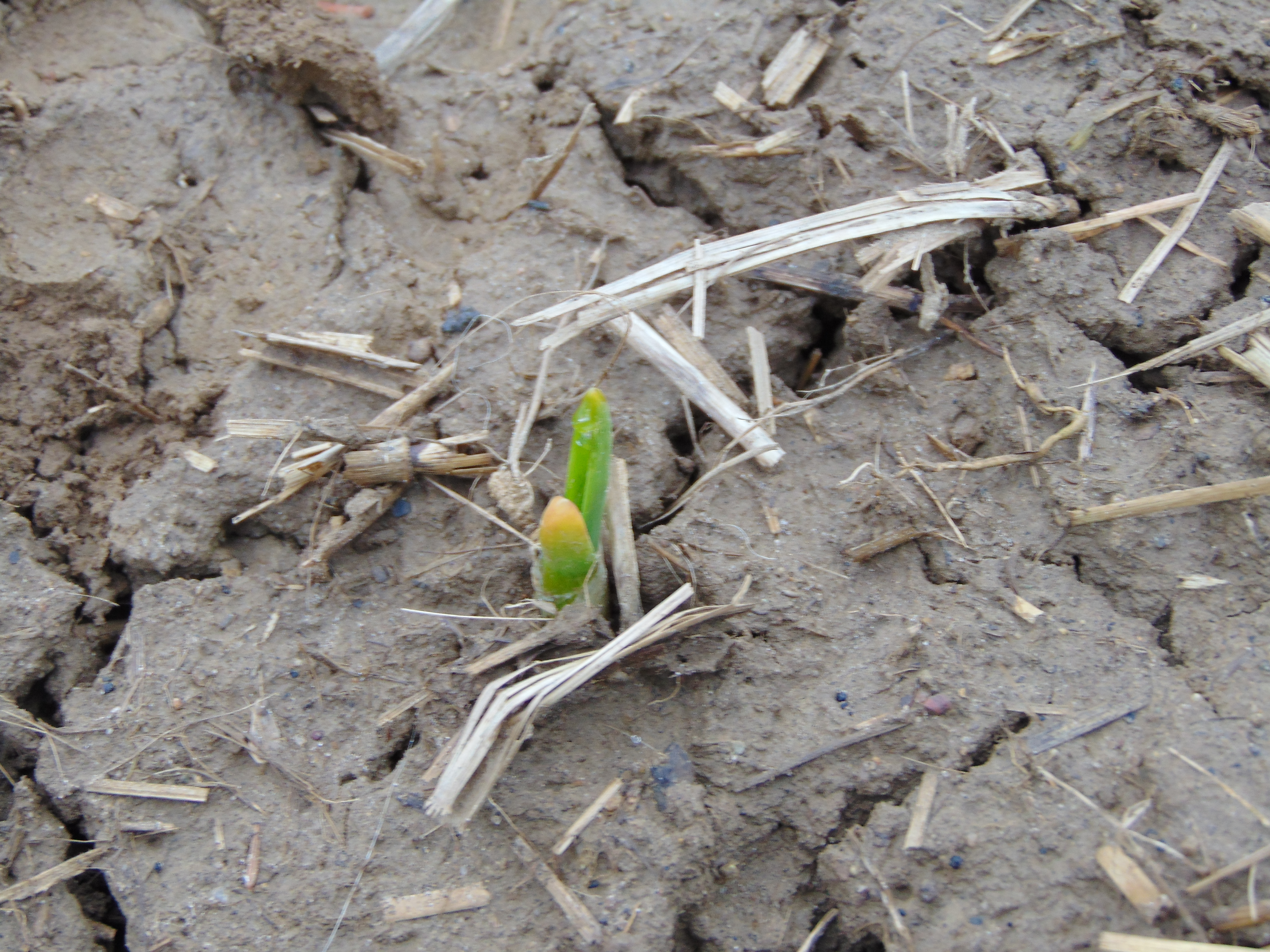
The garlic is up, here at the end of Cathedral Drive, Hope Ness. Just an inch or so, mind you; and a little touched by frost at the tip. But garlic is tough. It will survive. It already has. Continue reading

Heart and Brain health walk hand-in-hand

DSC00277

A couple of old guys staying young at heart

A news item caught my eye earlier this week. It should have been big news more than a month ago wherever an aging population and the onset of dementia is a growing socio-economic problem; like Canada, for example. But it wasn’t.

Later on-line searches revealed there was a sprinkling of mainstream news coverage. But I follow the daily news pretty closely, and it never was among the top stories. Too bad. If you’re a senior, as I am, or middle-aged – or any age, for that matter — the results of a lengthy on-line study in Sweden are something you should know.

And take to heart, literally. Continue reading

No way to treat a friend

There’s nothing like a wall, real or virtual, to make a point about the promise to “Make America Great Again” even if it means offending an entire nation on its southern border, or hitting your best friend and ally to the north with a sucker punch.

Even the giant U.S. aircraft maker, Boeing, was surprised by the 220 percent “anti-dumping” tariff the U.S. Commerce department recently inflicted on the prospective sale of Bombardier’s new C-Series passenger jets to Delta Airlines.

bombardier

Two, beautiful, Canadian-made Bombardier C-Series passenger jets

Bombardier is a Canadian company that has signed a deal with Delta Airlines in the U.S. for the sale of 75 of Bombardier’s new C-series, 100-passenger jets. Delivery was supposed to begin in 2018. But Boeing said the jets were being sold below cost with the help of Canadian and Quebec government subsidies, and asked the U.S. Commerce department to investigate. The protectionist administration of President Donald Trump was only too happy to oblige, and then some. Continue reading

Sickening

chickens

Anyone who says that life matters less to animals than it does to us has not held in his hands an animal fighting for its life. The whole of the being of the animal is thrown into that fight, without reserve.” (Elisabeth Costello, in J. M. Coetzee’s The Lives of Animals)

I had just left Owen Sound and was on my way home after the weekly trip to run a few errands and do some shopping when I first heard the news about an animal rights group having released a video of alleged abuse of chickens at a poultry factory-farm near Chilliwack, B.C.

The radio-news report said the alleged abuse involved people hired as “chicken catchers” to gather up chickens, and pack them in shelves of plastic cages for shipment by truck to plants for slaughtering and further processing.

Before he continued the CBC reporter warned the description of the details might be difficult for some people to hear. And so they were. Continue reading

On growing old, and the health care crisis

agingFirst, full disclosure: I am a senior. I have been for more than a few years. I am also the main caregiver of a much older, beloved family member. For some months now we have appreciated the help of the Community Care Access Center (CCAC) in Owen Sound, and the Personal Support Workers (PSWs), visiting nurses and other medical professionals who come to our home. Their genuinely caring attitude has been an important part of the homecare help they provide.
This first-hand experience with the homecare services offered by the Ontario government has been a continuing learning experience. I have, for example, noted with interest that in difficult negotiations with the federal government the provinces and territories have asked for more health care money, in large part to help cover the increasing costs of homecare. Continue reading

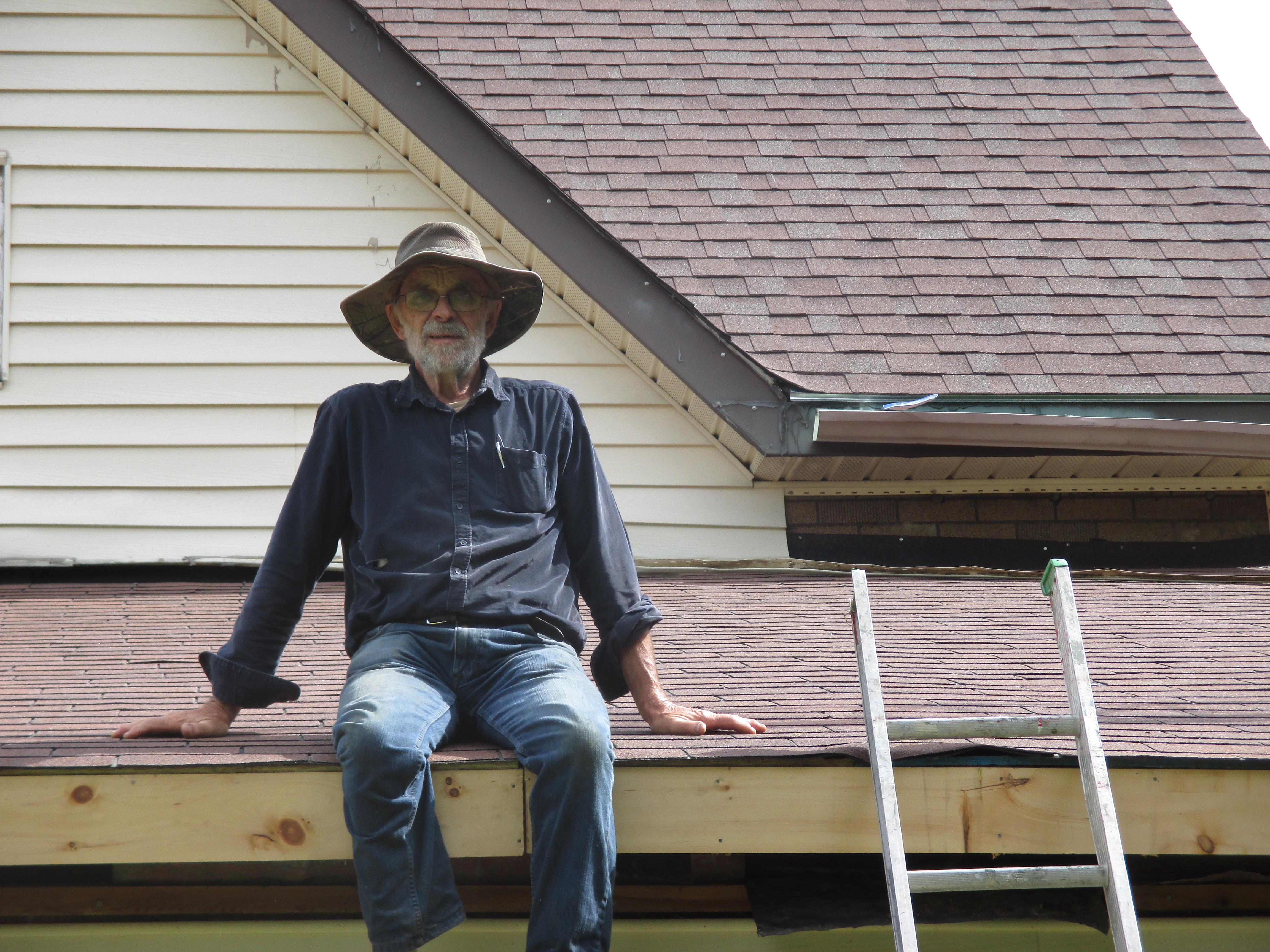
A farewell to roofing

IMG_0502

Like, I didn’t have enough to do.

A two-acre market garden to tend, including a tonne of potatoes to dig, beans and ripening tomatoes to pick; and that on top of a daily “to do” list already too long to have any realistic hope of getting it done – surely, that was more than enough. Continue reading